
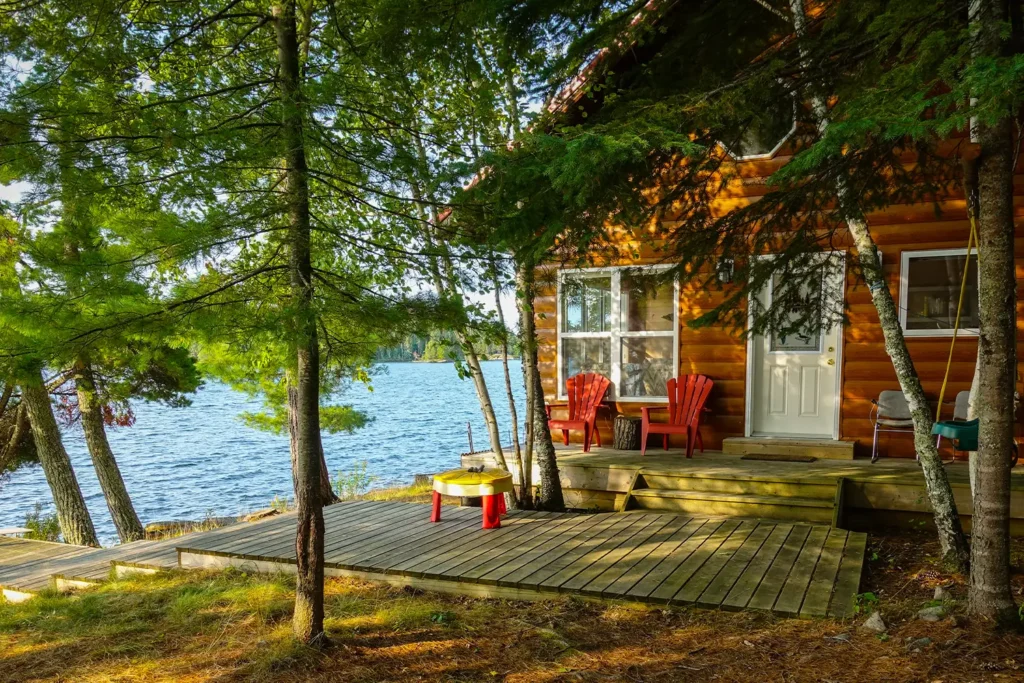
For many Ontario families, a cottage isn’t just a piece of real estate—it’s a sanctuary where multi-generational memories are made. Whether your retreat is nestled among the pines of Muskoka, resting along the rocky shores of Georgian Bay, or sitting quietly by a lake in the Kawarthas or Haliburton, it represents a major emotional and financial investment.
However, leaving a property unoccupied for weeks or months at a time exposes it to unique risks that standard home insurance isn’t built to handle. If a hidden pipe bursts in the dead of winter, or a severe summer storm downs a tree on your roof while you’re back in the city, an ordinary homeowners policy won’t provide the specialized protection you need.
Cottage insurance is a specific type of property coverage designed to protect seasonal or secondary dwellings, outbuildings (like bunkies or boathouses), and your personal belongings against localized environmental threats and extended absences. In Ontario, the typical cost for cottage insurance ranges between $800 and $3,000 per year, depending entirely on your property type, location, and how often it is occupied.
Is Cottage Insurance Required in Ontario?
Legally speaking, the province of Ontario does not mandate cottage insurance. However, if you require a mortgage or external financing to purchase or renovate your property, virtually all Canadian banks and traditional lenders will make comprehensive insurance coverage a mandatory condition before releasing funds.
Beyond financing requirements, going uninsured is a massive gamble. Unlike your primary residence, a cottage sits empty for significant stretches of the year. This extended vacancy significantly increases the severity of property damage from fire, vandalism, or extreme weather because there is no one on-site to respond immediately.
The Key Distinction: Seasonal vs. Secondary Property Insurance
One of the most frequent points of confusion for cottage owners is understanding the difference between a seasonal property policy and a secondary property policy. Underwriting guidelines established by the official Financial Services Regulatory Authority of Ontario (FSRA) closely examine your property’s accessibility and visit frequency to determine your exact risk profile.
How you use the property directly dictates the type of policy you require:
Property Insurance Type Comparison
| Feature / Coverage | Seasonal Proerty Insurance | Secondary Property Insurance |
|---|---|---|
| Primary Usage | Intermittent summer use; closed or winterized during cold months. | Frequent, year-round use (including fall and winter weekends). |
| Road Access | Can be limited; unmaintained seasonal roads, water-access, or island-only properties. | Municipal roads with year-round vehicle access. |
| Heating Source | May have limited heating. | Permanently installed thermostatically-controlled heating system (furnace, forced air, or baseboards). |
| Coverage Scope | Typically written on a Named Perils basis (only specific events listed in the policy are covered). | Eligible for Comprehensive coverage (all risks covered except those explicitly excluded). |
| Premium Impact | Generally higher risk profile due to extended, unmonitored absences. | Lower premium volatility if occupied frequently and accessible to emergency vehicles |
What Does Standard Cottage Insurance Cover?
A comprehensive cottage policy packages several essential protections together to safeguard your assets:
- The Dwelling: Protects the main cottage’s physical structure against primary threats such as fire, lightning, smoke, and severe windstorms.
- Detached Outbuildings: Covers the structures that give Canadian cottage life its distinct character—including bunkies, storage sheds, docks, and boathouses.
- Contents Coverage: Shields the personal belongings kept on-site, such as furniture, tools, clothing, and electronics. Note that high-value watercraft often require a specialized boat insurance endorsement.
- Personal Liability Protection: Protects you financially if a guest, neighbour, or delivery worker is accidentally injured on your property and launches a lawsuit.
Crucial Gaps: What is NOT Covered?
Building real trust means being transparent about what a standard policy leaves behind. Insurance is designed for sudden, accidental losses—not predictable wear and tear or unmanaged regional hazards.
Standard Exclusions to Watch For:
- Wildlife Damage: Gaps caused by bears breaking through doors or by squirrels, raccoons, and mice nesting in your roof over the winter are standard exclusions across the industry.
- Overland Flooding: Damage caused by rising water levels in natural lakes or rivers, or by heavy spring runoff, is not automatically covered.
- Gradual or Maintenance Damage: Roof leaks that develop slowly over years, wood rot, or mould caused by humidity and lack of ventilation are considered property maintenance issues rather than sudden insurance claims.
To eliminate these dangerous exposure gaps, property owners may be able to purchase specific optional add-on coverages, including Overland Water endorsements, Sewer Backup protection, and specialized physical damage extensions.
Key Factors That Determine Your Premium
Your insurance premium isn’t an arbitrary number. When evaluating a property in regions like Georgian Bay and Muskoka, the Frontenacs, or Northern Ontario, underwriters calculate risk based on specific structural and geographic details:
- Proximity to Fire Services: Is your cottage located within 8–13 kilometres of a recognized fire station? Can a fire truck get to your location?
- Winter Accessibility: If a fire or emergency occurs in January, are the local access roads cleared, or is your property completely cut off until spring?
- Age and Construction Material: Older log cabins or cottages with outdated electrical wiring carry significantly higher structural risks than modern builds.
- Geography-Specific Hazards: Properties in low-lying lakeside areas face higher water risks, while cottages located deep within dense, forested tracts of Northern Ontario carry elevated summer wildfire risks.
Safety and Compliance: The WETT Inspection Requirement
Wood-burning stoves and stone fireplaces are iconic elements of the classic Ontario cottage experience. However, secondary solid-fuel heating systems are also a leading cause of devastating structural fires if improperly installed or poorly maintained.
For this reason, nearly all insurance companies operating in Ontario require a formal WETT (Wood Energy Technology Transfer) inspection before issuing or renewing a policy for a property with a wood-burning appliance.
A certified, independent WETT inspector must physically evaluate your wood stove, chimney, and flue pipe to confirm that structural clearances, floor shielding, and ventilation paths comply completely with strict safety codes and manufacturer standards. Keeping your WETT compliance up to date is an essential safety anchor that keeps your policy valid and your family safe.
The Short-Term Rental Option: Renting via Airbnb or VRBO
The rise of digital peer-to-peer rental platforms has prompted many Ontario cottage owners to offset operating costs by renting out their properties to short-term guests.
A standard seasonal or secondary property policy explicitly excludes commercial business activities. If a paying guest accidentally starts a kitchen fire or suffers a severe injury on your dock, and you have not notified your broker about your rental activities, your insurance company has the legal right to completely deny your claim and void your entire policy.
If you plan to rent out your space, you must secure a dedicated Short-Term Rental Endorsement or commercial rental income coverage. This updates your policy framework to cover commercial liability and protects you against damage by renters to your property.
Relax. We've Got This.
Navigating the nuances of cottage insurance can feel overwhelming, but you don’t have to manage it alone. At McLean & Dickey, we are independent insurance brokers—which means we work for you, not insurance companies. Since 1922, our licensed professionals have lived and worked right in your local communities, helping our neighbours protect what matters most.
We have access to a broad range of Canada’s top-rated insurers, allowing us to find the right policy for you that eliminates dangerous coverage gaps at a competitive price.
Let us handle the legwork so you can focus on enjoying your time at the lake. Reach out to our team today to secure a free, no-obligation cottage insurance quote.